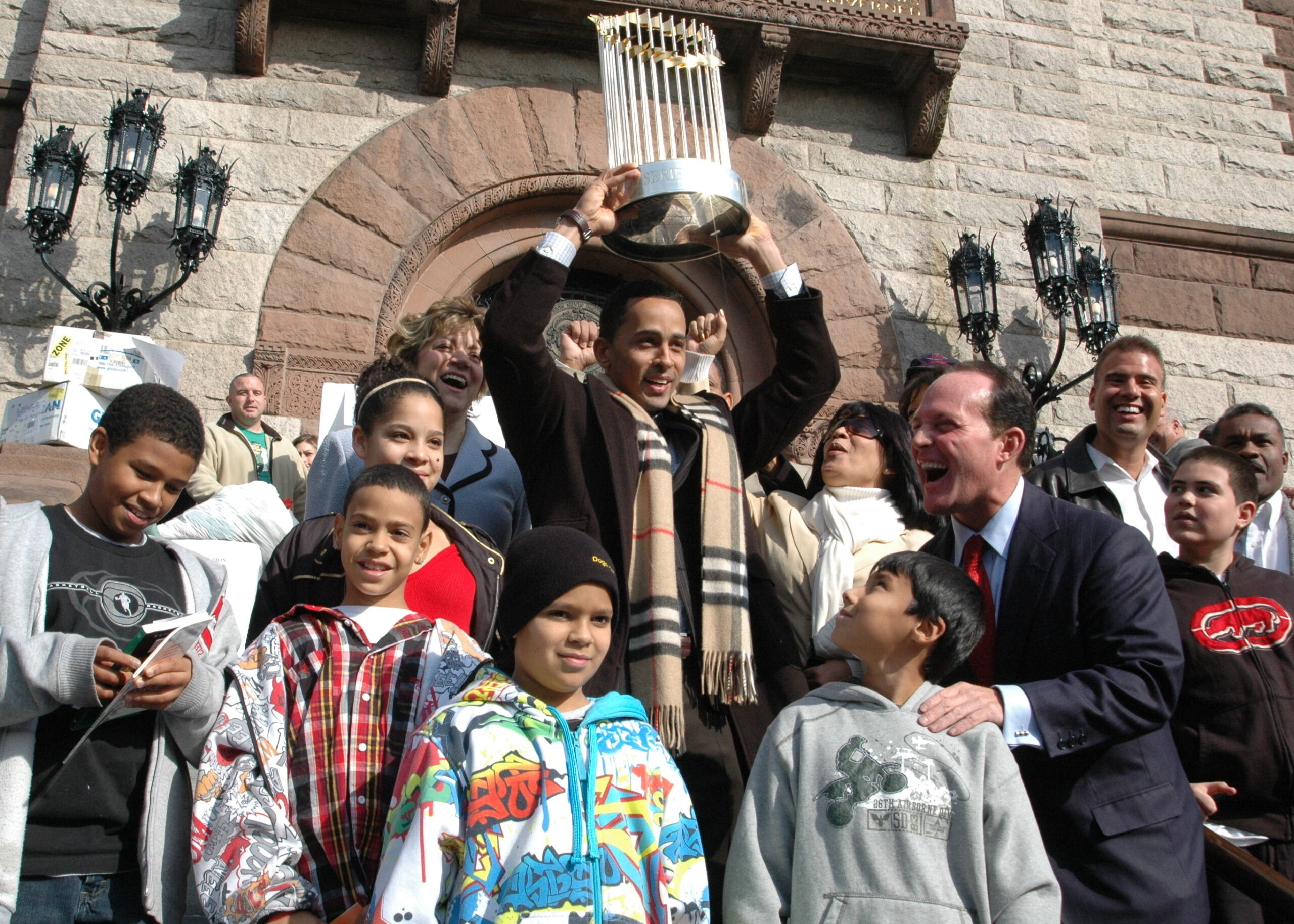
I did not set out to start a pediatric cancer charity. I was a city kid who loved sports, who lost his father young, and who learned early that life can change in a second. I spent years in public service and then in law. Along the way I met families who were living through the hardest fight there is, which is watching a child battle cancer with no money and very limited access to health care.
What struck me was not only the illness. It was the unfairness around it. Most of these kids not only had cancer, had never pet an exotic animal, a new baseball glove, gone to the beach or a pool or eaten at a restaurant. These are the things kids look forward to and want to live for. Where a child is born should not decide whether that child lives. But in the real world, it often does. That truth pushed me into a kind of work I never expected, and it is why cross-border partnerships between the United States and the Dominican Republic matter so much to me.
The Moment I Realized Borders Do Not Matter to Cancer
Cancer does not care about zip codes or passports. It does not care if your hospital has the newest equipment or if you are mixing chemo by hand because supplies are short. It hits families the same way everywhere. The difference is what families have around them when it hits.
In Cambridge and Boston, we are lucky to live near some of the best pediatric care in the world. In the Dominican Republic, there are amazing doctors and nurses, but they are often fighting with fewer tools, smaller budgets, and a health system stretched thin. No bone marrow therapy or access to fast and high tech surgery. That gap is where partnerships have real power.
When I first got involved with pediatric oncology work in the DR, I met children who were brave beyond words, and parents who were holding on by a thread. I also met medical teams doing heroic work with limited resources. I left those visits thinking one clear thought. We can do better than this, and we have a duty to try. They became my friends and reference points for all my own battles.
Ashley’s Angels and the Idea Behind It
Ashley’s Angels began in 2009. It was built on a simple idea. If people in one country have access to life-saving care, then they should help extend that access to children in another country when they can. I knew that this could not just be me. I had to get my friends and Family involved and most importantly the Dominican Community in Boston involved.
We started partnering with strong institutions on both sides. In Boston that meant connecting with Dana-Farber ( the Global Health Initiative) who already had a relationship with the clinic. A great director there understood pediatric cancer in third world countries at the highest level and specifically In Santiago, Dominican Republic, at the oncology unit at Arturo Grullón Hospital, which serves families from all over the country and serves children of Haitian origin without as our clinic is not far from the Northern borders. .
That cross-border model matters. You do not improve care by dropping off money and walking away. You improve care by building trust, learning what is needed on the ground, and working alongside local teams who know their communities best. After Dana Farber we partnered directly with the Voluntariados Con Jesus Por Ninos a local non profit in Santiago so that we could get resources more directly to the Children. 16 years later we are the clinic’s largest private donor. Three years ago the Entrance way to the Pediatric oncology wing was named in honor of my Mother Nancy Galluccio who was the treasurer for Ashley’s Angels. She passed away in June of 2025 and our work goes on in her spirit.
What I Have Learned About Underserved Pediatric Cancer Care
First, access is a chain, and every link matters
People imagine cancer care as one big event, like a surgery or a round of chemo. In reality it is a long chain. It starts with early detection. Then it moves to diagnosis, treatment, nutrition, transportation, family housing, emotional support, and follow-up care. It is a battlefield and these kids watch their friends die in the same way.
In underserved communities, one weak link breaks the chain. A child might miss treatments because the family can not afford travel. A hospital might run short on a drug for weeks. A parent might not understand instructions because no one explained them in their language. These are not small problems. They are life-or-death problems.
So the charity model has to do more than buy equipment. It has to strengthen the whole chain and build a support network of caregivers and donors who feel personally vested in the fight. .
Second, local dignity is not optional
If you want a partnership to last, you have to respect the people you are helping. That means you listen more than you speak. I have to be patient but persistent since the Doctors , nurses and nuns are there all the time. You do not assume you know better because you are coming from the United States. Fortunately, politics and strategy are in my blood.
The Dominican doctors and nurses I have worked with are not waiting for Americans or Politicians in DR to save them. They are working every day to save kids. Our job is to support their mission, not replace it.
Third, relationships move faster than bureaucracy
In government and law you learn that process matters. In charity you learn that relationships matter just as much. When you build real friendships with local leaders, hospitals, and community groups, you cut through red tape because people trust your intent. Like my work with kids in sports or building a political base, consistency of effort is everything.
Ashley’s Angels grew because people on the ground knew we would show up, not just once, but again and again. Trust is built in repetition.
The Power of U.S.–DR Partnerships
The best cross-border partnerships do three things well.
- They share knowledge.
Medical teams learn from each other. Training, second opinions, protocols, even simple things like how to organize supply storage can raise survival rates. - They share resources in a targeted way.
The most useful support is specific. Drugs that are short. Equipment that is essential. Funds that cover transportation or nutrition for families so treatment does not get interrupted. - They share accountability.
Everyone stays at the table. You set clear goals. You track what works. You admit what does not. That keeps the partnership honest and growing.
When those three things line up, you do not just help one child. You improve the system that will help thousands of children after that child. In DR keeping Morale and hope is critical but God gave Dominicans and Haitians with a spirit second to none.
What Stays With Me
I have seen kids ring the bell after treatment is complete. I have seen families cry with relief. A kid’s face when they know they are going home for good. I have also held the hands of many children in their final days. Those losses never leave you. They should not.
What stays with me most is the courage and hopefulness. Children facing cancer in underserved places are not asking for pity. They are asking for a fair shot. Parents are not asking for miracles. They are asking for the tools to fight.
Every time I go to the DR, I come back with a better sense of purpose and perspective . Even more respect for the strength of these families and for the medical teams carrying so much on their backs.
A Call to Anyone Who Wants to Help
You do not have to run a charity to make a difference. You can support organizations that already have deep local partnerships. You can fund specific needs instead of vague programs. You can volunteer professional skills. You can listen to what communities say they need, then help deliver it.Think about a Visit to the clinic when you are on vacation.
Cross-border work is not about being a hero. It is about being a steady partner.
If there is one lesson U.S.–DR partnerships have taught me, it is this. The world gets smaller when you take responsibility for people beyond your borders. Don’t try to rationalize “ why that place”. Just help and follow God’s lead. Your life deserves purpose and kids are an eternal gift to our society. When you hear Thank You you will think no thank them.
That is why I keep doing this work. That is why I will not stop.